

Earnings season can transform the stock market in a matter of hours. When major companies release quarterly results, their share prices may react sharply to revenue figures, earnings guidance, management comments and investor expectations. The impact can also extend beyond the reporting company, affecting competitors, suppliers and other stocks within the same sector.
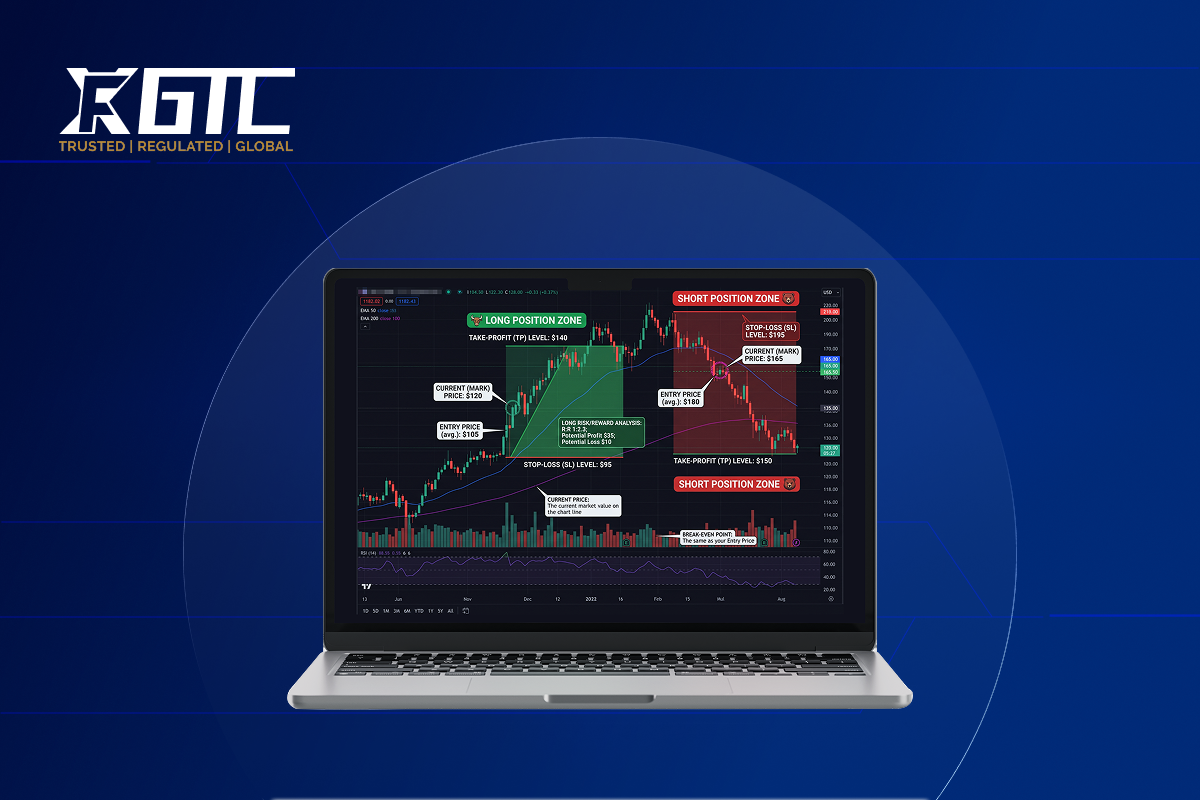
For anyone trading a stock CFD, understanding these connections is important. Price movements are not always driven by company specific news alone. Earnings reports can change expectations across an entire industry, creating both opportunities and risks. Choosing an appropriate stock CFD broker and understanding how these instruments work can help traders approach periods of heightened volatility with greater discipline.
Why Earnings Reports Can Move More Than One Stock
An earnings report provides the market with new information about a company’s financial performance and future outlook. However, investors often use that information to reassess expectations for other companies operating in the same industry.
Suppose a large technology company reports weaker demand for a particular product category. Investors may begin questioning whether competitors are experiencing similar conditions. Their share prices can move even before those companies publish their own financial results.
The same effect can occur after positive results. Strong demand, improving margins or better than expected guidance may increase expectations for an entire sector. Investors may then reassess other companies with similar business models.
For stock CFD traders, this means that monitoring a single company is not always enough. Understanding the wider sector can provide useful context for interpreting price movements.
Company Results and Market Expectations
One common misconception is that a stock should automatically rise when a company reports higher profits. In reality, financial markets react primarily to the difference between actual results and what investors already expected.
A company can report strong earnings while its stock falls if the results fail to meet expectations. Conversely, a company with modest earnings growth can see its share price rise if the numbers are better than anticipated.
Guidance is also important. Management may provide forecasts for future revenue, margins, capital expenditure or demand. These statements can influence investor expectations well beyond the immediate earnings announcement.
When trading a stock CFD, therefore, traders should consider the expected result as well as the reported result. Market reaction depends on how new information changes the outlook.
How Sector Connections Create Wider Volatility
Companies within the same industry often share similar economic exposures. Technology companies may respond to changes in enterprise spending, semiconductor demand or advertising budgets. Financial companies can be influenced by interest rates, credit conditions and economic growth. Consumer companies may react to changes in household spending and input costs.
Because of these connections, an earnings surprise from one major company can become a signal for the broader sector.
This does not mean every related stock will move in the same direction or by the same amount. Individual companies have different financial structures, products and growth expectations. Nevertheless, sector relationships can increase short term volatility when investors rapidly adjust their positions.
This is particularly relevant when traders use leverage. A relatively small movement in the underlying share can have a larger effect on a leveraged CFD position.
What Traders Should Watch During Earnings Season
Before opening a stock CFD position around an earnings announcement, traders can examine several factors.
The earnings date is an obvious starting point. Knowing when a company is scheduled to report can help traders identify periods when price gaps and rapid movements may become more likely.
Analysts’ expectations are also relevant. Revenue, earnings per share and forward guidance can all influence the market reaction. Traders may also monitor previous earnings reactions to understand how volatile the stock has historically been around announcements.
Sector performance provides another useful reference. If several companies in the same industry have recently reported results, their announcements may provide clues about broader demand conditions.
Market sentiment should also be considered. A strong earnings report may have a different impact in a rising market than during a period of widespread risk reduction.
Managing Risk When Trading a Stock CFD
Earnings season requires careful attention to position size and leverage. CFDs are traded on margin, meaning traders can gain exposure to a larger position with a smaller amount of capital. While this can increase potential returns, it also magnifies losses.
GTCFX states that its share CFD offering provides access to more than 500 stock CFDs, with leverage of up to 1:20 depending on applicable conditions. The platform also provides real time bid and ask prices during market hours.
However, access to leverage does not mean that maximum leverage is appropriate for every trade. A trader anticipating significant earnings volatility may need to consider whether the position size is consistent with their risk tolerance.
Stop loss orders may also form part of a risk management approach, although traders should recognize that rapid price gaps can result in execution at a different level from the requested stop price.
Choosing a Stock CFD Broker for Volatile Markets
The broker matters because trading conditions can become particularly important when prices are moving quickly. Traders should examine the available instruments, spreads, execution conditions, platforms, margin requirements and applicable fees before selecting a stock CFD broker.
GTCFX offers more than 500 share CFDs and states that it provides competitive spreads, real time pricing and execution speeds below 10 milliseconds. Its share CFD offering is available through platforms including MT4, MT5 and the GTC Go application.
These features can affect how efficiently traders enter and exit positions, but they do not eliminate market risk. Traders should also review the specific terms applicable to their jurisdiction and account.
Using Earnings Season as Part of a Broader Analysis
Earnings announcements should not be viewed in isolation. A more structured approach combines company information with sector conditions, broader market trends and technical price analysis.
For example, a trader might first examine a company’s earnings expectations, then compare its recent performance with competitors. The next step could be assessing the wider market environment and identifying whether the stock is already showing unusually high volatility.
This approach can help traders distinguish between a company specific movement and a broader sector trend. It may also reduce the risk of entering a position simply because a headline appears positive or negative.
Most importantly, traders should have a clear plan before volatility increases. Deciding the acceptable level of risk, position size and potential exit conditions in advance can be more effective than making decisions after a sharp price movement has already begun.
Making Better Decisions When Markets Reprice
Earnings season highlights how quickly financial markets can incorporate new information. A single company’s results can influence expectations for competitors, suppliers and an entire sector, creating wider movements than the original announcement might suggest.
For traders using a stock CFD, this relationship is worth understanding before taking a position. Selecting a suitable stock CFD broker is only one part of the process. Traders also need to understand leverage, pricing, execution and the risks associated with rapid market movements.
GTCFX provides access to a broad range of stock CFDs and multiple trading platforms, while emphasizing that CFDs are complex leveraged instruments carrying a substantial risk of loss.
A disciplined approach to earnings season therefore starts with preparation. By examining expectations, sector relationships, market conditions and position risk together, traders can make more informed decisions when individual company news begins to influence the wider market.
