

Key Takeaways
- Establish your finances and obtain mortgage pre-approval before searching for a home.
- Prioritize must-have features versus nice-to-haves for efficient home hunting.
- Thoroughly vet neighborhoods for safety, amenities, and resale value.
- Attend open houses, inspect properties closely, and review all terms before making an offer.
Table of Contents
- Define Your Budget and Secure Financing
- Prioritize Your Needs and Wants
- Research Neighborhoods Thoroughly
- Attend Open Houses and Schedule Showings
- Evaluate the Property’s Condition
- Consider Future Resale Value
- Review Homeowners Association (HOA) Rules and Fees
- Make an Informed Offer
Define Your Budget and Secure Financing
The first step to a stress-free house-hunting experience is to set a clear, realistic budget. Begin by taking stock of your financial health—review your income, savings, existing debt, and monthly expenses. With a defined budget, you avoid falling in love with homes that are out of reach and establish a practical framework for your search. Working with Beverly Hills CA real estate experts Coldwell Banker Beverly Hills can help you find options that suit your financial goals and streamline your journey from browsing to buying.
Mortgage pre-approval is equally important. This means working with a lender to verify your credit, employment, and assets, which results in a clear loan amount and terms that you qualify for. Not only does this clarify your purchasing power, but it also allows you to act quickly and confidently in competitive markets—demonstrating to sellers that you’re serious and ready.
Prioritize Your Needs and Wants
Once your finances are in order, refine your wish list by separating “must-haves” from “nice-to-haves.” Do you require a specific number of bedrooms, or is proximity to public transportation your top priority? Are features like a large backyard, an updated kitchen, or a home office a requirement for your lifestyle, or simply a perk? Being specific about your needs will help you save time by filtering out homes that don’t meet your criteria, while still leaving room to explore properties with unique strengths.
This clear prioritization will also help you communicate effectively with your real estate agent, who can then curate property tours that are more aligned with your expectations.
Research Neighborhoods Thoroughly
The location of your future home is just as important as the home itself. Explore prospective neighborhoods at different times of day to observe activity levels, traffic, and ambient noise. Check crime rates through local department websites, research nearby schools if education is important to you, and assess the accessibility of amenities such as shopping, dining, and medical services. Thorough research will help you find a neighborhood that fits your present needs and long-term lifestyle preferences.
Consider using tools like Zillow Research to analyze market trends and historical property values in areas of interest, ensuring you make an informed decision about one of the most pivotal factors in home satisfaction: location.
Attend Open Houses and Schedule Showings
With your list and neighborhoods in hand, begin viewing homes in person. Attend open houses to get an initial sense of what’s available, and follow up with private showings for properties that stand out. This in-person evaluation allows you to assess spatial flow, natural lighting, and any potential maintenance issues that photos might not reveal. Be sure to take notes—or even photos—during each visit to make comparing multiple options easier as your search progresses.
Evaluate the Property’s Condition
A thorough examination of a property’s physical state is essential. Pay special attention to the foundation, roof, HVAC, electrical, and plumbing systems. Common red flags include water damage, persistent odors, cracked walls, and signs of pests. Schedule a professional home inspection before committing to purchase; inspectors can uncover costly issues that may not be immediately obvious.
Consider Future Resale Value
Even if you’re buying a forever home, market dynamics dictate that you should consider potential resale. Look for properties in neighborhoods with strong schools, low crime rates, and upcoming infrastructure investment. A house on a quiet street or near popular amenities generally holds value better, offering you flexibility if life circumstances change down the road.
Review Homeowners Association (HOA) Rules and Fees
If a Homeowners Association governs your target property, closely review its rules, bylaws, and monthly fees. Some HOAs establish restrictive guidelines for aspects like exterior paint colors or landscaping. At the same time, others offer perks such as pool access or security that may enhance your lifestyle but also increase costs. Ensure that the HOA requirements align with your personal preferences and financial constraints.
Make an Informed Offer
When you find the right home, your agent will help you put together a competitive offer based on recent comparable sales in the area, the property’s condition, and the local market climate. Expect some negotiation, especially regarding repairs or contingencies such as a satisfactory inspection. Clear communication and flexible thinking will help you reach a win-win agreement as you move towards closing.
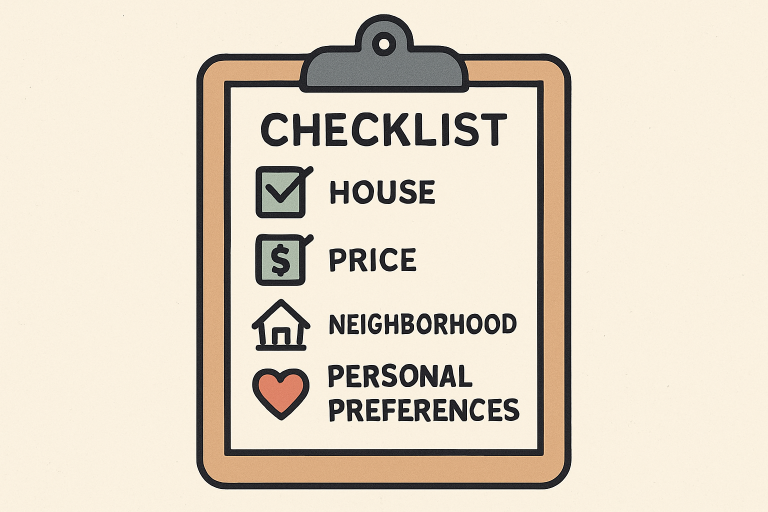
Following this homebuyer’s checklist relieves much of the anxiety that can accompany house hunting. With thorough preparation and expert guidance, you can focus on finding the home that fits your life and goals while safeguarding your future investment.
